

Asia remains the most diverse travel region in the world, attracting millions of international visitors every year. In 2024 the continent recorded more than 430 million tourist arrivals according to aggregated tourism board data, showing a strong rebound and sustained global interest. When I look at destinations that offer culture, nature, cuisine and meaningful experiences, a few places consistently stand out. Below I break down eight of the best places to travel in Asia using factual context, trends and what each location offers.

Western Mongolia
Why Western Mongolia Is Exceptional
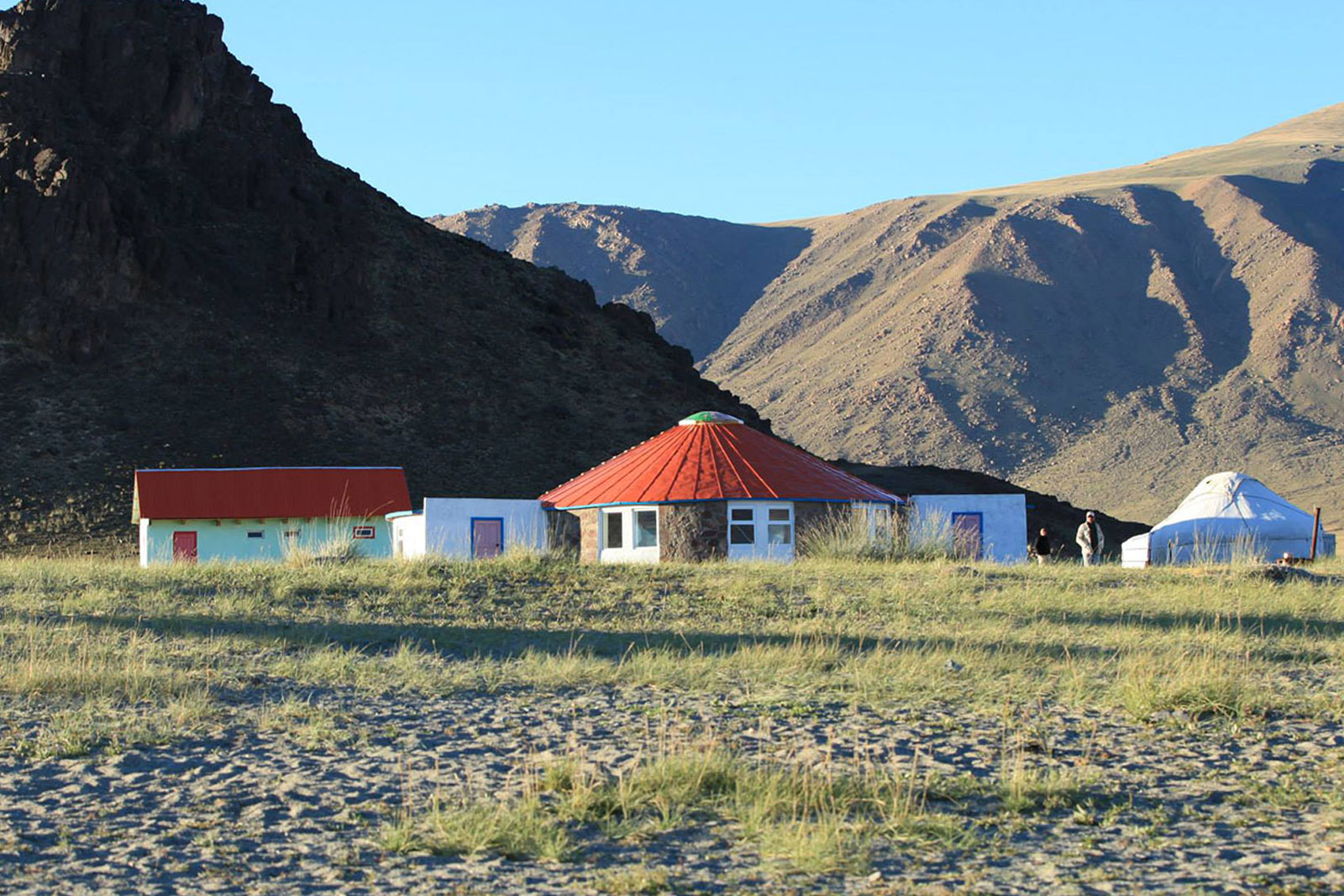
Western Mongolia is one of the least populated regions in Asia, with an average density of fewer than two people per square kilometer. It is known for its dramatic steppe landscapes, the Altai Mountains and traditional nomadic culture that continues largely unchanged. Tourism numbers remain small compared to other Asian destinations, estimated at under 100000 annual arrivals, which means the region feels untouched.
What To See And Do
The Altai Mountains define much of the region’s natural beauty, with sharp peaks, glacier fields and vast valleys that attract trekkers and photographers. Altai Tavan Bogd National Park is a major highlight, offering glacier hikes, eagle hunting demonstrations and opportunities to stay with Kazakh nomad families. Wildlife is another draw, with snow leopards and golden eagles inhabiting the remote mountain zones. For travelers looking for raw nature and cultural authenticity, Western Mongolia offers unmatched depth.
Laos
Why Laos Appeals To Slow Travelers
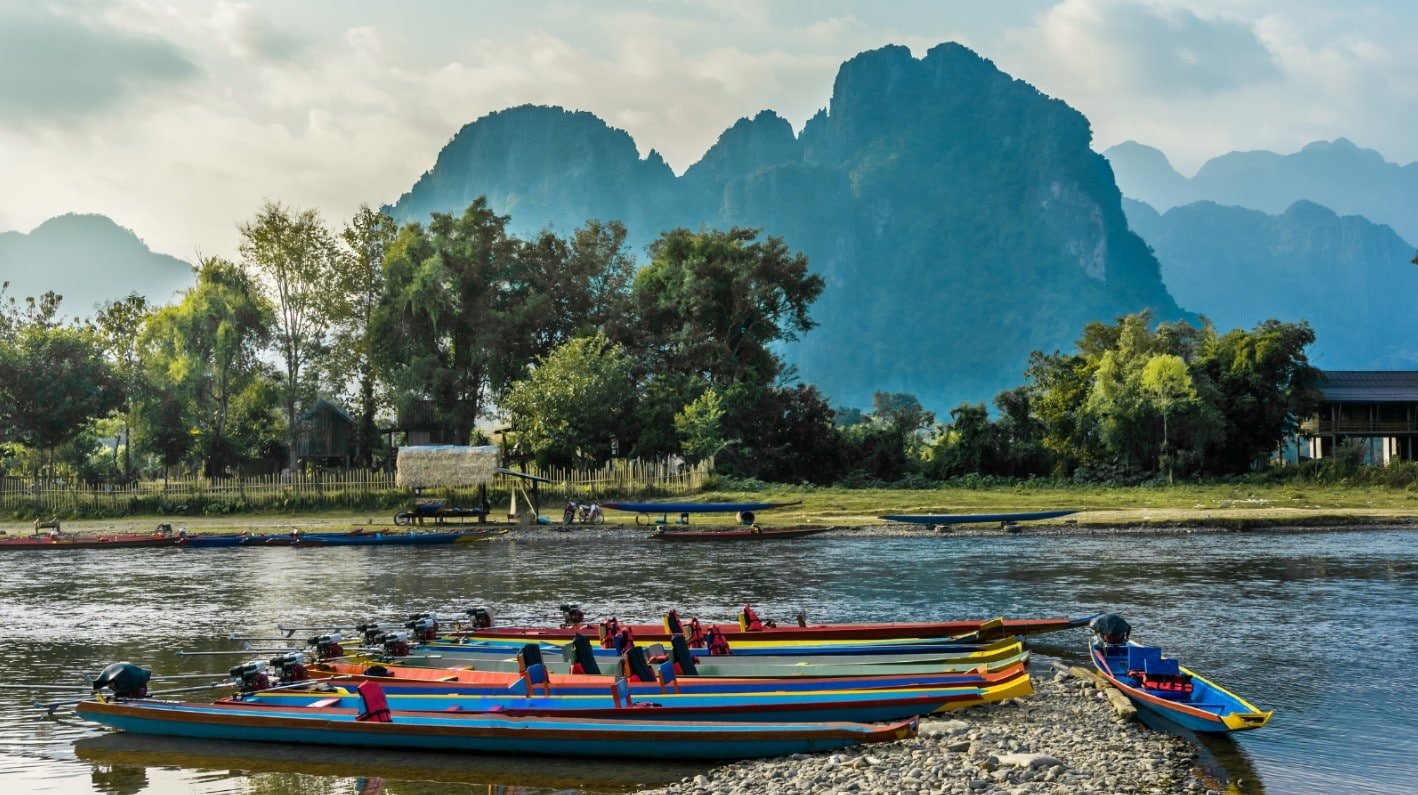
Laos remains one of Asia’s least commercialized tourism destinations, receiving about 2 million international visitors per year. It is known for the Mekong River, French influenced towns and relaxed pace. Compared to Thailand or Vietnam, Laos sees smaller crowds which enhances its appeal for travelers who want simplicity and nature.
What To See And Do
Luang Prabang, a UNESCO World Heritage town, is famous for its morning alms ceremonies, waterfalls and preserved architecture. Vang Vieng draws nature lovers with karst mountains and river activities. The southern region offers the Four Thousand Islands area, one of Southeast Asia’s most peaceful river landscapes.
Bali
Why Bali Leads Southeast Asian Tourism
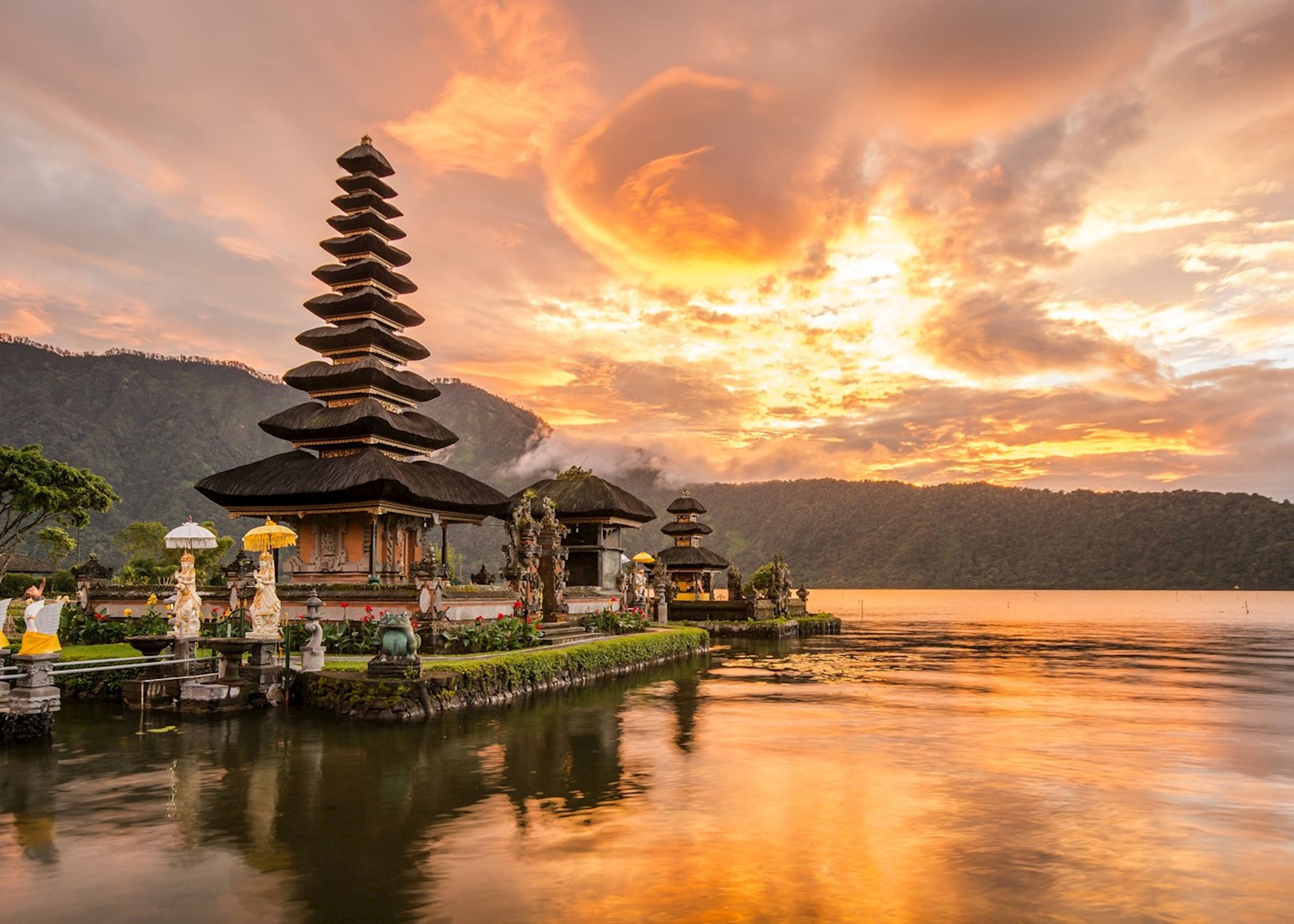
Bali consistently ranks among Asia’s top destinations, with over 5.2 million international visitors recorded in 2024. It attracts travelers for its mix of beaches, volcanic landscapes, spiritual traditions and luxury hospitality. The island also performs strongly in repeat visits, with tourism surveys showing more than 40 percent of travelers return within three years.
What To See And Do
Ubud remains the cultural heart of Bali, known for wellness retreats, fine dining restaurants and terraced rice fields. Coasts like Uluwatu, Sanur and Canggu appeal to surfers, families and digital workers. Bali’s luxury resort scene is one of the most competitive in Asia, making it ideal for travelers who want high quality accommodation paired with nature and culture.
Taipei
Why Taipei Is Growing In Popularity
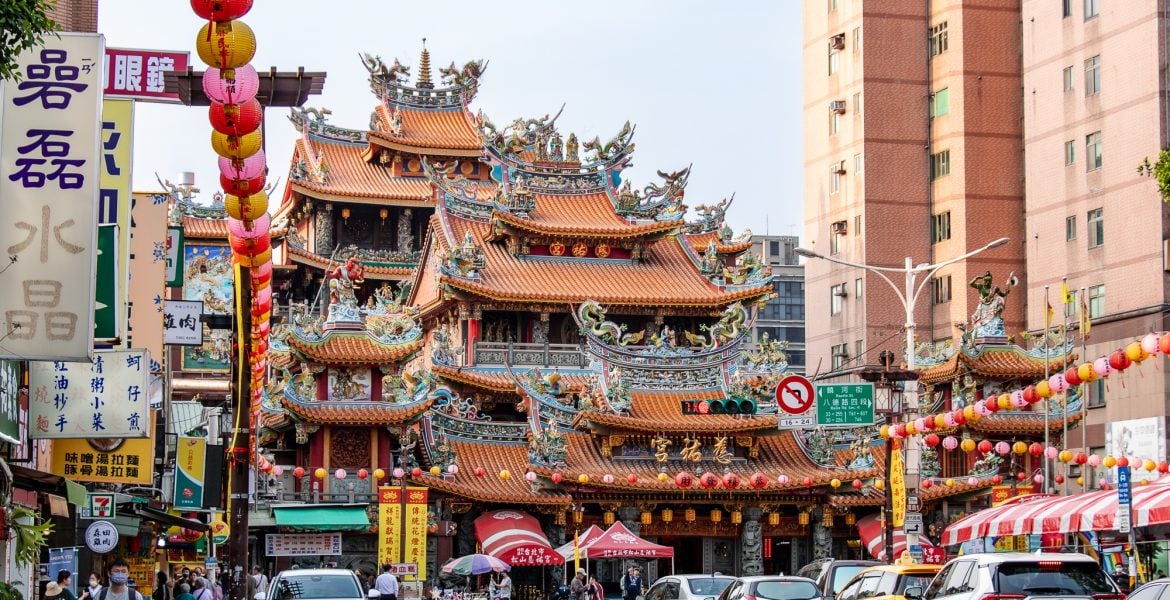
Taipei continues to rise as an urban travel destination, welcoming more than 9 million tourists in 2024. The city is known for safety, clean infrastructure and one of the most efficient metro systems in Asia. It also has a strong culinary reputation, with several Michelin rated restaurants and famous night markets.
What To See And Do
Taipei 101 offers panoramic views, while districts such as Ximending and Daan provide shopping and café culture. Food remains a standout travel motivator. Visitors frequently seek out beef noodle soup, scallion pancakes and bubble tea at traditional markets. Natural escapes such as Yangmingshan and hot spring areas in Beitou create a convenient mix of city and nature.

Chiang Mai
Why Chiang Mai Is A Top Cultural Destination
Chiang Mai in Northern Thailand draws around 10 million visitors annually. It is known for over 300 temples, creative communities and cooler temperatures compared to coastal Thailand. Digital nomad surveys repeatedly rank Chiang Mai as one of Asia’s best remote work cities due to affordability and lifestyle quality.
What To See And Do
Historic Old City temples, night bazaars and nearby mountain villages shape most itineraries. Doi Inthanon National Park, home to the highest peak in Thailand, offers hiking and birdwatching. Chiang Mai’s craft scene is also significant, with workshops in ceramics, silverwork and textiles that appeal to travelers seeking experiential tourism.
Bhutan
Why Bhutan Remains A Unique Destination
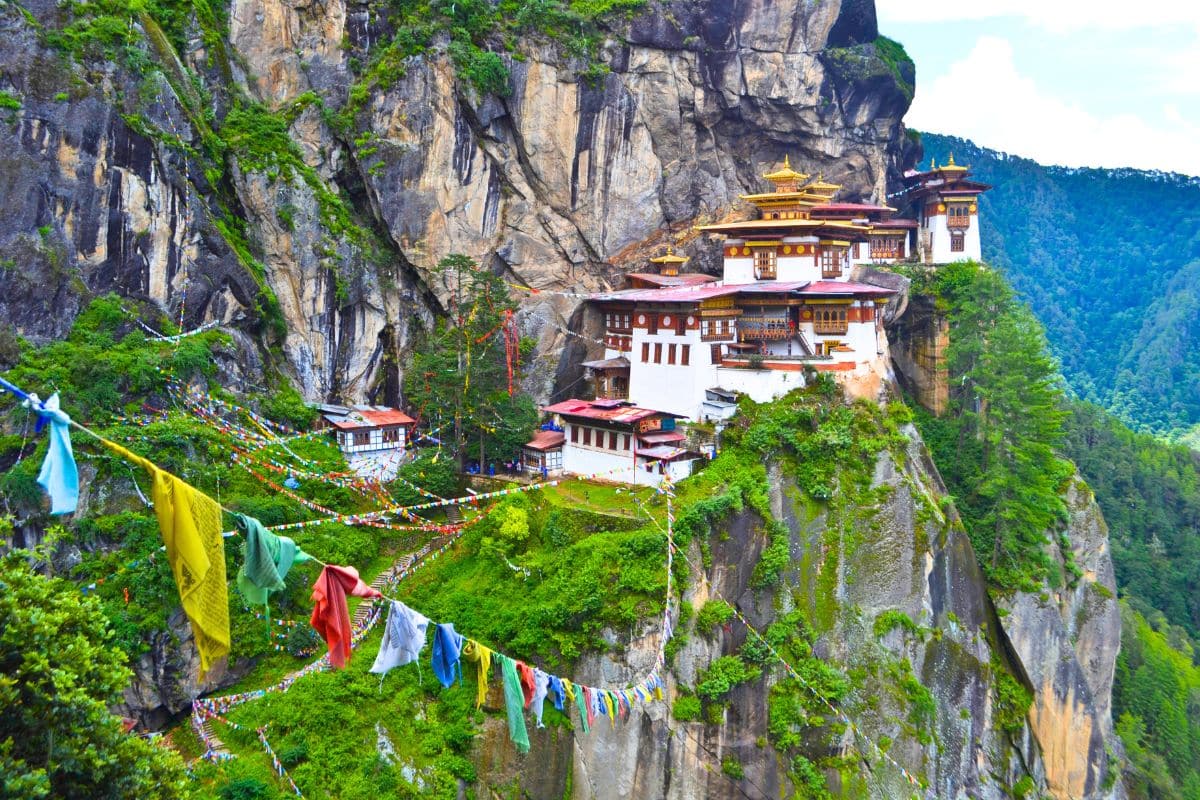
Bhutan caps visitor numbers through a sustainable development fee which creates a controlled tourism environment. Arrival figures remain modest at around 90,000 in 2024 but the economic and cultural impact per visitor is high. The country is known for a Gross National Happiness philosophy, environmental protection and preserved Buddhist heritage.
What To See And Do
The highlight for many travelers is the hike to Tiger’s Nest Monastery perched on a cliffside. Bhutan’s protected forests cover roughly 70 percent of the country, making it ideal for trekking. Paro, Thimphu and Punakha offer monasteries, festivals and traditional architecture that remain central to Bhutanese identity.
Japan
Why Japan Dominates Asia Travel Demand
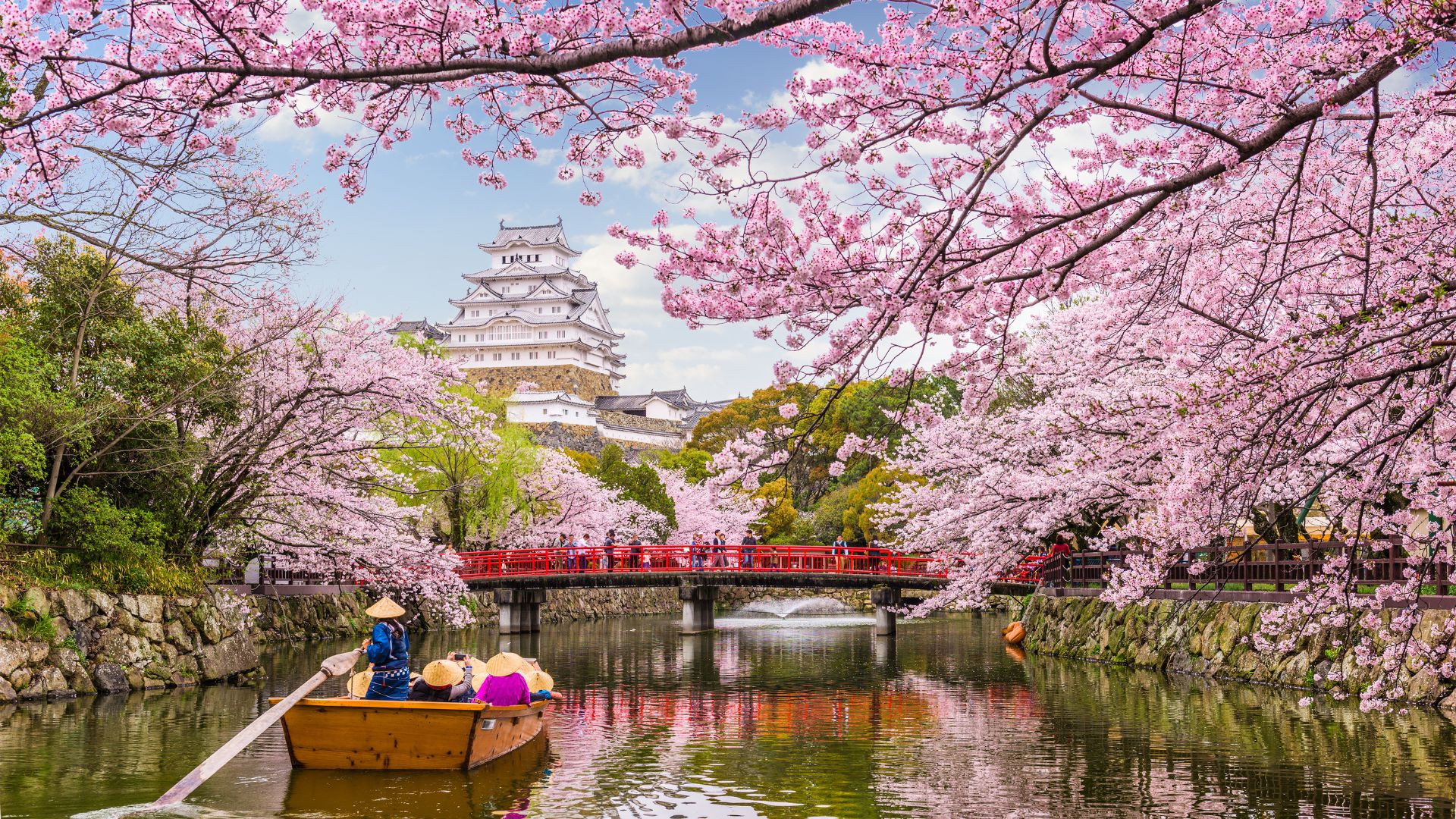
Japan remains one of the most visited countries in Asia, surpassing 30 million international arrivals in 2024. It ranks highly in safety, public transport efficiency and hospitality standards. The country offers both futuristic cities and ancient cultural sites, making it suitable for a wide range of traveler interests.
What To See And Do
Tokyo’s diverse neighborhoods, Kyoto’s temples, Osaka’s food culture and Hokkaido’s natural landscapes draw different types of visitors. Seasonal experiences matter in Japan. Cherry blossom season, autumn foliage and winter ski tourism contribute millions of visitor nights each year. Japan’s culinary scene is also a major attraction, with more Michelin starred restaurants than any other country.
Hanoi
Why Hanoi Represents Authentic Vietnam
Hanoi continues to see strong tourism growth, contributing to Vietnam’s total of over 12 million international arrivals in 2024. The city is known for traditional architecture, lakes, markets and a distinct food culture based on fresh herbs and light broths. Compared to Ho Chi Minh City, Hanoi feels older and more historic.
What To See And Do
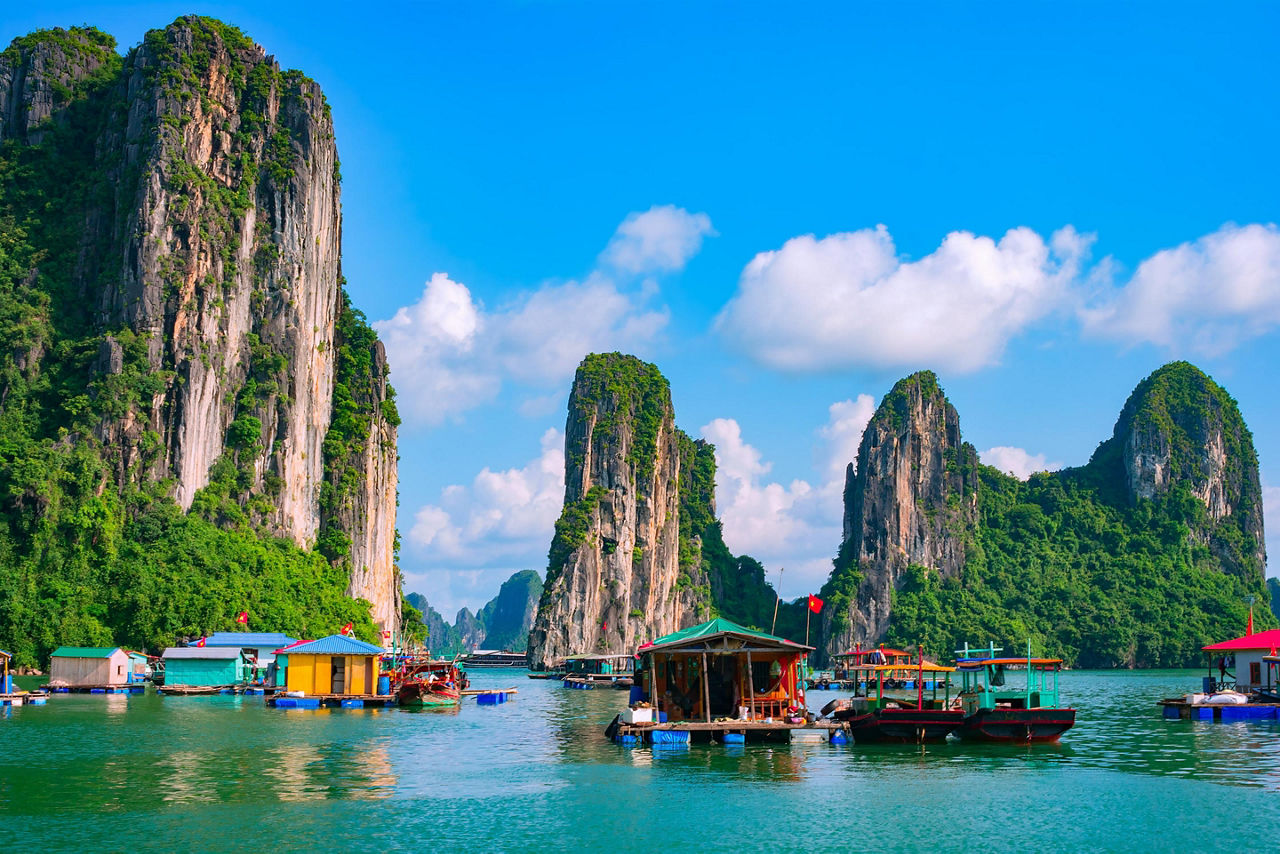
Key attractions include the Old Quarter, Hoan Kiem Lake, the Temple of Literature and nearby craft villages. Street food is a central part of the visitor experience. Dishes such as pho, bun cha and egg coffee have become internationally recognised. Hanoi also serves as a gateway to Halong Bay and Ninh Binh, two of Vietnam’s most photographed landscapes.
Conclusion
Asia’s top destinations differ widely in landscapes, cultures and tourism scale. Western Mongolia offers remoteness and raw nature. Bali delivers hospitality and variety. Taiwan’s Taipei brings urban innovation. Chiang Mai provides cultural depth. Bhutan and Laos represent slow, sustainable travel. Japan remains unmatched in efficiency and range. Hanoi gives visitors a grounded look at Vietnamese heritage. Together these places show why Asia continues to lead global travel demand.